
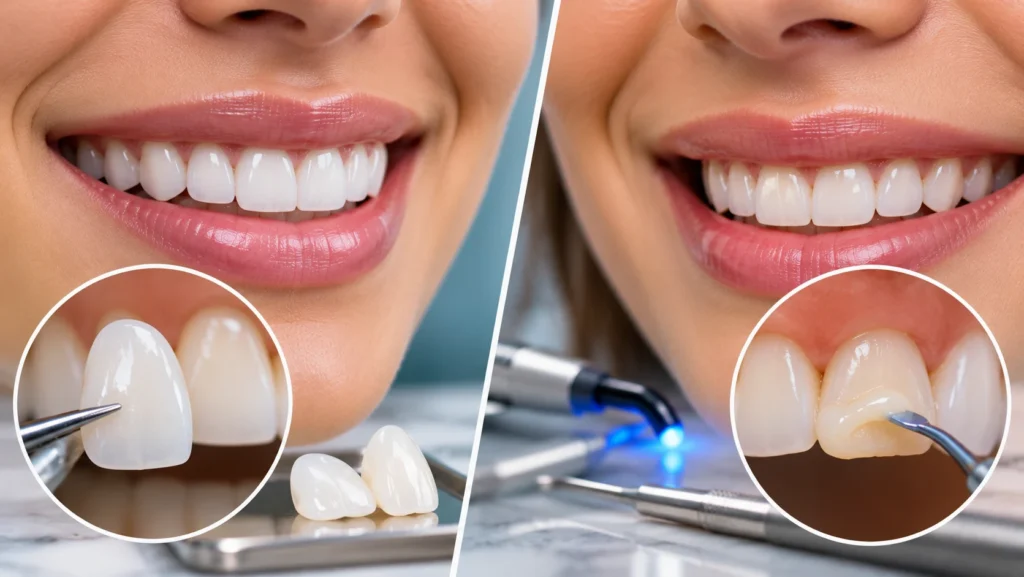
When you want to improve a chipped tooth, close a small gap or change the appearance of your smile, two popular options are porcelain veneers and dental bonding. But the right choice is not simply about which looks better in photos. It also depends on how much healthy tooth structure you want to preserve, how long you want the result to last, your bite, your budget and how much maintenance you are comfortable with.
In a veneers vs bonding comparison, dental bonding is often a conservative way to improve smaller imperfections using tooth-colored composite resin. Porcelain veneers are custom-made shells that cover the front surfaces of teeth and can make broader cosmetic changes. Neither treatment is automatically best for every patient. A dental exam is essential before deciding.
Quick answer: Choose bonding as a discussion point for minor chips, small spacing changes or a lower initial expense. Consider veneers when you want a more extensive appearance change and are comfortable with enamel preparation, higher initial costs and future replacement. Both options require healthy teeth and gums.
Veneers vs Bonding: Side-by-Side Comparison
| Factor | Porcelain veneers | Dental bonding |
| Material | Custom-made porcelain or ceramic shell | Tooth-colored composite resin applied directly |
| Typical uses | Discoloration, shape, size, small gaps; broader smile changes | Minor chips, small gaps, localized shape or color changes |
| Enamel preparation | Usually some enamel is removed; generally irreversible | Usually little or no enamel removal for purely cosmetic bonding |
| Appointments | Often two or more, depending on workflow | Often one visit for a limited number of teeth |
| Appearance & stains | Natural-looking, generally stronger stain resistance | Natural-looking but more prone to staining and polish changes |
| Maintenance | Can chip or debond; replacement may be necessary | May chip or stain; often easier to repair or refresh |
| Typical lifespan | Often around 10–15 years with care, varies | Often around 3–10 years before repair or replacement, varies |
| Cost | Usually higher upfront per tooth | Usually less expensive upfront per tooth |
These are general comparisons, not an individual diagnosis or a quote. Treatment longevity varies with bite forces, material, placement, oral hygiene and habits.
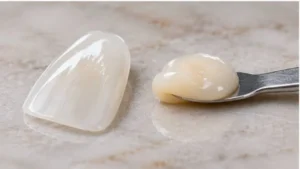
What Are Porcelain Veneers?
Porcelain veneers are thin, custom-made restorations bonded to the front surfaces of teeth. They can conceal some chips, stubborn discoloration, uneven contours, unusually small teeth or gaps. Their translucency and tailored shape can make them blend naturally with nearby teeth when planned carefully. Veneers do not move teeth or correct the underlying cause of a bite problem.
How the porcelain veneer procedure works
A dentist first assesses tooth and gum health, discusses the desired shade and shape, and checks whether veneers are suitable. Preparation typically involves removing a small amount of enamel. A scan or impression helps a dental laboratory make the veneers. At a later appointment, the clinician checks fit, appearance and bite before bonding them in place. Temporary veneers may be used during the laboratory stage.
Benefits and trade-offs of veneers
Porcelain generally resists staining better than composite resin and can be a good option when several visible teeth need coordinated changes. The trade-offs are the higher initial price, multiple steps, possible short-term sensitivity and permanent changes to enamel. Veneers can still chip, loosen or need replacement; natural teeth beneath them still require care.
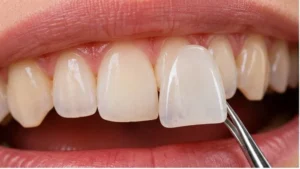
What Is Dental Bonding?
Dental bonding uses a tooth-colored composite resin that a dentist places and shapes directly on a tooth. Bonding can make a small chipped edge less noticeable, close a modest space, or adjust a tooth’s outline. It is especially useful when a limited change can achieve the patient’s goal without significant preparation.
What happens during a bonding appointment?
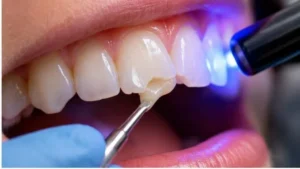
The dentist selects a shade, prepares the tooth surface, applies and sculpts composite resin, then hardens it with a curing light and polishes it. Many straightforward cosmetic bonding procedures can be completed in one visit, although more complex cases may take longer. Bonding may involve minimal enamel removal, and whether it is reversible depends on the individual procedure.
Benefits and limitations of composite bonding
Bonding is generally less expensive upfront, makes smaller changes conservatively, and is often easier to repair than porcelain. It may stain or chip more readily, particularly with heavy biting, grinding or habits such as biting fingernails. Some patients prefer bonding first while others choose a longer-lasting ceramic option.
Porcelain Veneers vs Composite Bonding Cost: What Are You Paying For?
Bonding is usually less expensive per tooth at the start because the dentist applies the material directly, often without a separate laboratory-made restoration. Porcelain veneers commonly cost more because the process may include planning, preparation, impressions or digital scans, laboratory fabrication, temporary restorations and bonding appointments. Actual fees can vary widely.
Questions to ask before comparing estimates
- Is the estimate per tooth or for the complete treatment plan?
- Does it include examination, photographs, imaging, temporary restorations and follow-up visits?
- If bonding chips or stains, what is the likely cost of polishing, repair or replacement?
- If a veneer breaks or needs replacement, what costs are involved?
- Does the practice offer payment arrangements, and what do insurance benefits exclude?
Many insurance policies exclude purely cosmetic treatments. There are exceptions for restorative needs, but coverage is determined by the policy and clinical circumstances. Do not assume veneers or bonding are covered simply because a dentist recommends them. Ask for a written plan and verify benefits with the insurer.
How Long Does Dental Bonding Last vs Veneers?
Cleveland Clinic describes a broad estimate of approximately 3–10 years before bonding may require a touch-up or replacement. Porcelain veneers are often described as lasting roughly 10–15 years, and some last longer. These ranges are not warranties and do not mean a veneer must be replaced at a fixed date.
Why material alone does not determine durability
A well-made restoration can still be affected by teeth grinding, nail biting, ice chewing, an uneven bite, tooth decay near the edges or poor gum health. The size and location of the restoration also matter. A small repair on an incisor faces different forces from an extensive cosmetic change across several teeth. Regular checkups help identify issues before they become bigger problems.
Will whitening change the color of veneers or bonding?
Whitening products primarily affect natural teeth and will not predictably lighten the color of existing porcelain or composite resin. If you want a lighter smile, discuss whitening and shade matching before definitive veneers or bonding are placed. Professional cleaning and polishing may improve some surface staining, but they do not change the restoration’s underlying shade.
Veneers vs Bonding for Gaps, Chips and Discoloration
Small chips or uneven tooth edges
Bonding may be enough when a tooth is structurally healthy and the goal is a modest repair. Veneers might be considered for more extensive visible changes, but are not necessary simply because a tiny chip exists.
Spaces between front teeth
Both techniques can sometimes close small cosmetic spaces, but the size of the gap and proportions of neighboring teeth matter. Larger gaps or bite issues may be better addressed with orthodontic treatment rather than making teeth appear unnaturally wide. Kalorama Dental Arts also provides information about Invisalign treatment in Washington DC
Deep stains or multiple teeth with shape differences
Porcelain veneers may be worth discussing when discoloration is resistant to whitening or multiple visible teeth need coordinated changes. Bonding may work for localized discoloration, but the chosen resin can change appearance over time. In either case, your dentist should evaluate the reason for the discoloration first.
Worn teeth or a heavy grinding habit
Neither option should be selected solely on appearance if teeth are wearing down from grinding or a bite problem. Those forces could damage either restoration. The clinician may discuss bite assessment, a protective night guard or alternatives before cosmetic work.
Does Getting Veneers or Bonding Hurt?
Many patients tolerate dental bonding with little or no anesthesia for a straightforward cosmetic correction. Veneer preparation may require local anesthesia because some enamel is removed and teeth can be sensitive. Temporary sensitivity can occur after either procedure. Tell your dentist about dental anxiety, previous sensitivity and any concerns before starting. Specific pain control and sedation availability must be confirmed with the practice.
Which Option Fits Your Goals? A Practical Decision Checklist
- I want to correct one small chip or minor spacing issue with minimal tooth preparation. → Ask about bonding.
- I want several front teeth to have a coordinated shape and color change. → Ask whether porcelain veneers are appropriate.
- I prioritize lower initial expense and accept future touch-ups. → Discuss bonding and an itemized estimate.
- I prioritize stain resistance and potentially longer service life. → Discuss veneers, enamel changes and replacement costs.
- I grind my teeth, have gum disease or suspect cavities. → Arrange a dental examination before choosing either cosmetic procedure.
- I want straighter teeth without adding material to their surfaces. → Ask whether orthodontic treatment is a better fit.
A conservative treatment plan begins with diagnosis, not an upsell. Ask to see the findings, understand the alternatives, and take time to consider any irreversible preparation.
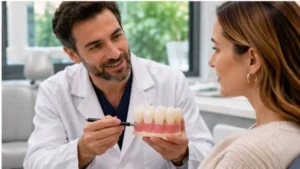
Cosmetic Dentistry Consultation in Washington, DC
At Kalorama Dental Arts, Dr. Habib S. Mitri provides general, restorative and cosmetic dental care with an emphasis on individual attention. If you are comparing veneers vs bonding, a dental examination can clarify what is causing the appearance concern, whether the teeth and gums are healthy, and which treatment options merit discussion.
Porcelain veneers are listed among the practice’s services. Confirm directly with the office whether cosmetic composite bonding is currently offered and whether a referral would be appropriate in your case. An informed consultation should cover expected results, enamel changes, aftercare, treatment fees and alternatives—not just before-and-after photographs.
Ready to discuss your smile goals? Visit Kalorama Dental Arts or contact the practice to request an appointment.
Frequently Asked Questions About Veneers vs Bonding
Is dental bonding cheaper than porcelain veneers?
Usually, yes. Direct bonding often has a lower initial price per tooth, while veneers involve custom fabrication and more visits. Compare itemized estimates and probable future maintenance rather than relying only on initial cost.
Can bonding look as natural as veneers?
Yes, well-executed bonding can look very natural, particularly for small repairs. For broader changes involving several teeth, a dentist may recommend porcelain because of its optical properties and stain resistance. Results depend on technique and the individual tooth.
Are porcelain veneers permanent?
Many porcelain veneer procedures require enamel removal, which is generally irreversible. The restorations themselves are not permanent forever: they may eventually need repair or replacement.
Which is better for a chipped front tooth?
A minor chip on an otherwise healthy tooth may be repaired conservatively with bonding. A larger cosmetic concern may call for another approach. An exam is necessary to rule out deeper damage or a crack.
Can veneers or bonding fix crooked teeth?
They can sometimes disguise mild unevenness, but neither moves teeth into healthier positions. Significant crowding, bite concerns or larger gaps may be better treated orthodontically. Your dentist can discuss alternatives such as clear aligners.
Does dental insurance cover veneers or bonding?
Purely cosmetic treatments are commonly excluded. Coverage may differ when treatment restores damage or function. Obtain the procedure codes and written estimate and verify your plan’s benefits before scheduling.
How do I know whether I need a crown instead?
A crown covers more of the tooth and may be recommended when a tooth is structurally weak or extensively damaged. Veneers and cosmetic bonding are not substitutes for the strength and coverage needed in every restorative case. The dentist can evaluate your tooth’s condition.
The Bottom Line: Select the Treatment That Fits Your Teeth, Not a Trend
For a minor chip or small shape adjustment, bonding can be an efficient, conservative option. For broader smile changes, porcelain veneers may offer longer-lasting aesthetics and greater resistance to discoloration, but require a bigger commitment and usually some enamel removal. The best decision considers tooth health, bite, expectations, costs and follow-up care.
If you are considering cosmetic dentistry in Washington, DC, request an appointment at Kalorama Dental Arts to discuss a personalized assessment and treatment options.